In academic research labs, accuracy is not a luxury. It is the foundation on which knowledge is built.
Every experiment, dataset, and published paper depends on the precision of the instruments behind it. When calibration is overlooked, results become questionable, research timelines are disrupted, and institutional credibility is placed at risk.
Calibration, therefore, is not a technical routine. It is a strategic discipline that safeguards the integrity of research.
Why Accuracy Matters in Academic Research Labs
Unlike controlled industrial environments, academic laboratories operate in dynamic, multi-user settings. Equipment is used across departments, by individuals with varying levels of expertise, and often under tight research timelines.
Without consistent calibration:
- Measurement errors accumulate over time
- Experimental results become inconsistent
- Research findings lose credibility
- Compliance standards are compromised
- Costly rework and delays increase
Accurate instruments ensure that research outputs remain reliable, reproducible, and defensible.
Understanding Calibration in the Research Context

Calibration is the process of verifying and adjusting equipment to ensure measurements align with recognised standards.
In academic laboratories, this applies to a wide range of instruments:
- Analytical balances
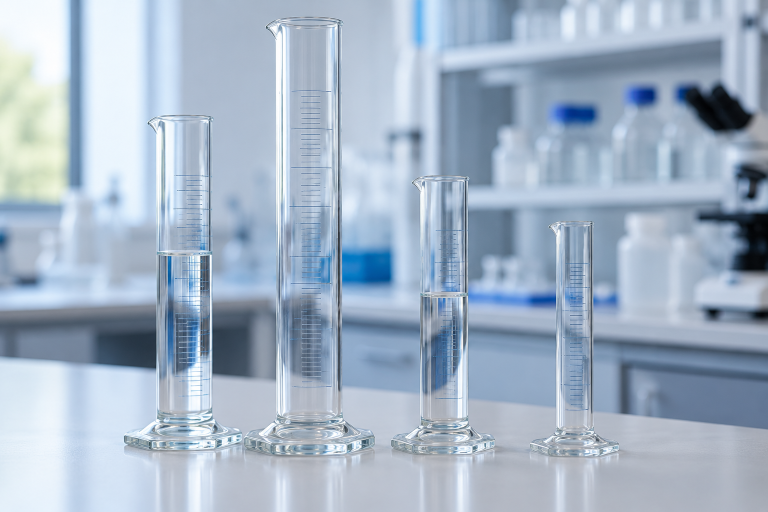
- Pipettes and burettes
- Spectrophotometers
- Thermometers and temperature probes
- pH meters
- Pressure and flow measurement devices
Each of these plays a critical role in ensuring that experimental conditions are controlled and measurable.
When calibration is neglected, even the most sophisticated research methodologies cannot compensate for flawed data.
Common Calibration Challenges in Universities
Maintaining calibration in academic settings comes with unique challenges:
1. Shared Equipment Across Departments
High usage increases the risk of drift and misalignment, especially when instruments are not consistently checked between users.
2. Inconsistent Handling Practices
Different users apply varying levels of care, which can impact measurement accuracy and instrument stability.
3. Limited Visibility of Calibration Status
Without clear labelling or tracking systems, users may unknowingly rely on uncalibrated equipment.
4. Budget and Resource Constraints
Calibration services may be delayed due to procurement cycles or cost limitations.
5. Lack of Structured Processes
In the absence of standardised systems, calibration becomes reactive rather than preventative.
These challenges highlight the need for structured, system-driven approaches.
Building a Reliable Calibration Framework
A well-managed laboratory treats calibration as a continuous process, not a once-off event.
Routine Verification Checks
Daily or pre-use checks help confirm that instruments are functioning within acceptable tolerances:
- Zeroing balances before use
- Verifying pipette volumes
- Checking temperature consistency
- Confirming baseline readings on analytical instruments
These quick checks prevent small inaccuracies from becoming major issues.
Scheduled Calibration Intervals
Each instrument should follow a defined calibration schedule based on usage and criticality:
- High-use equipment: Monthly or quarterly calibration
- Moderate-use equipment: Biannual calibration
- Low-use or specialised equipment: Annual calibration
Aligning schedules with manufacturer recommendations and research requirements ensures consistency.
Documentation and Traceability
Accurate records are essential for both compliance and research integrity:
- Calibration certificates and reports
- Maintenance logs
- Instrument history records
- Deviation and corrective action reports
Traceability ensures that every result can be validated if required.
Professional Servicing and Certification
Certain instruments require external calibration by accredited service providers:
- Analytical instruments requiring high precision
- Safety-critical equipment
- Instruments used in regulated research environments
Professional calibration ensures alignment with national and international standards.
Embedding Calibration into Laboratory Systems
Calibration becomes effective when it is embedded into everyday laboratory operations.
Leading academic institutions:
- Assign responsibility for specific equipment
- Label instruments with calibration status and due dates
- Implement digital tracking systems for calibration schedules
- Standardise calibration procedures across departments
- Train students and researchers on proper equipment use
When calibration is system-driven, consistency becomes part of the workflow rather than dependent on individual discipline.
Creating a Culture of Accuracy
The most successful laboratories do not treat calibration as a compliance requirement. They treat it as a core value.
This mindset shift transforms how equipment is perceived:
- From functional tools to precision instruments
- From occasional checks to continuous assurance
- From isolated tasks to integrated processes
Over time, this culture leads to:
- Higher research reliability
- Reduced experimental errors
- Improved efficiency and turnaround times
- Stronger academic credibility
Accuracy becomes part of the institution’s identity.
Supporting Research Excellence Through Precision
In research, even the smallest measurement error can lead to significant consequences.
Reliable calibration ensures that:
- Data is trustworthy
- Experiments are reproducible
- Findings withstand scrutiny
- Research contributes meaningfully to knowledge
Precision is not just about instruments. It is about protecting the integrity of discovery.
Partnering with the Right Supplier
Maintaining calibrated, high-performing laboratories requires more than internal processes. It requires access to reliable equipment, consumables, and expert support.
B&M Scientific supports academic and research institutions with:
- High-quality laboratory equipment designed for precision
- Reliable consumables that ensure consistent results
- Expert guidance on calibration, maintenance, and usage
For efficient procurement, Lab Buddy provides a streamlined online platform tailored to modern laboratory needs.