Lab equipment is at the heart of what keeps a university laboratory producing reliable research year after year, not just funding, infrastructure, or even the calibre of researchers, but the quiet discipline of maintenance.
In academic and research environments, laboratory equipment carries a heavier burden. It supports teaching, experimentation, innovation, and often high-stakes research outputs. When that equipment fails, the impact is not isolated. It disrupts learning, delays research timelines, and compromises data integrity.
Maintenance, therefore, is not an operational afterthought. It is a strategic function.
Why Maintenance Matters in Academic Laboratories
Unlike private labs focused on controlled workflows, university and research environments operate in a dynamic setting. Equipment is used by multiple students, researchers, and departments, often at varying levels of expertise.
Without structured maintenance:
- Instruments lose calibration accuracy
- Equipment lifespan shortens significantly
- Research results become inconsistent or unreliable
- Safety risks increase
- Budgets are strained by frequent repairs and replacements
With proper maintenance systems in place, institutions can protect both their assets and their academic credibility.
The Unique Challenges in University and Research Labs
Maintaining equipment in academic environments comes with distinct complexities:
1. High Usage Across Multiple Users
Equipment is often shared across departments, increasing wear and the likelihood of misuse.
2. Varying Skill Levels
From undergraduate students to senior researchers, not all users handle equipment with the same level of care or technical understanding.
3. Budget Constraints
Funding cycles and procurement delays can result in postponed maintenance or delayed servicing.
4. Decentralised Responsibility
In many institutions, there is no single owner responsible for equipment upkeep, leading to gaps in accountability.
These challenges make structured systems not optional, but essential.
Building a Practical Maintenance Framework
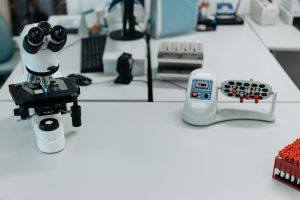
A well-run academic laboratory moves from reactive fixes to proactive systems. This begins with a clear, repeatable framework.
Daily Maintenance Practices
Daily routines ensure that equipment remains clean, safe, and operational:
- Clean equipment after each use
- Check for visible damage or irregularities
- Ensure proper shutdown procedures are followed
- Confirm equipment is operating within standard parameters
These simple habits reduce long-term degradation.
Weekly and Monthly Checks
Routine inspections help detect early signs of failure:
- Inspect moving parts and components
- Review performance logs (temperature, pressure, output consistency)
- Test basic functionality and accuracy
- Replace minor worn components before failure occurs
- Calibrate instruments where necessary
In research environments, early detection is the difference between continuity and disruption.
Annual Servicing and Calibration
Universities and research institutions must prioritise professional servicing:
- Full diagnostics for critical equipment
- Certification of safety equipment (e.g. fume hoods, biosafety cabinets)
- Calibration aligned with research standards
- Lifecycle assessments for replacement planning
Annual servicing ensures compliance, accuracy, and long-term reliability.
The Role of Lab Equipment, Not Just People
Maintenance fails when it depends on memory. It succeeds when it is embedded in systems.
Leading institutions:
- Assign clear ownership of equipment
- Maintain digital maintenance logs and schedules
- Standardise operating procedures across departments
- Train students and staff on correct equipment use
- Integrate maintenance into laboratory workflows
When maintenance becomes part of the system, consistency follows naturally.
Creating a Maintenance-Driven Culture
The most effective laboratories treat maintenance as part of their identity, not a checklist.
This shift changes how equipment is perceived:
- From consumable expense to long-term asset
- From inconvenience to operational stability
- From reactive repairs to preventative strategy
Over time, this culture leads to:
- Reduced operational costs
- Improved research quality
- Higher equipment availability
- Stronger institutional reputation
Supporting Research Excellence Through Maintenance
In university and research environments, equipment is not just a tool. It is the foundation of discovery.
Every accurate result, every published paper, and every successful experiment depends on the reliability of the instruments behind it.
Maintaining laboratory equipment is therefore not just about preservation. It is about enabling excellence.
Partnering with the Right Supplier
Sustaining high-performing laboratories requires more than internal processes. It requires access to reliable equipment, consumables, and expert support.
B&M Scientific supports universities and research institutions with:
- High-quality laboratory equipment
- Reliable consumables for consistent experimentation
- Expert guidance on equipment care and usage
For streamlined procurement, Lab Buddy and B&M Scientific provides an efficient online platform designed for modern laboratory needs.