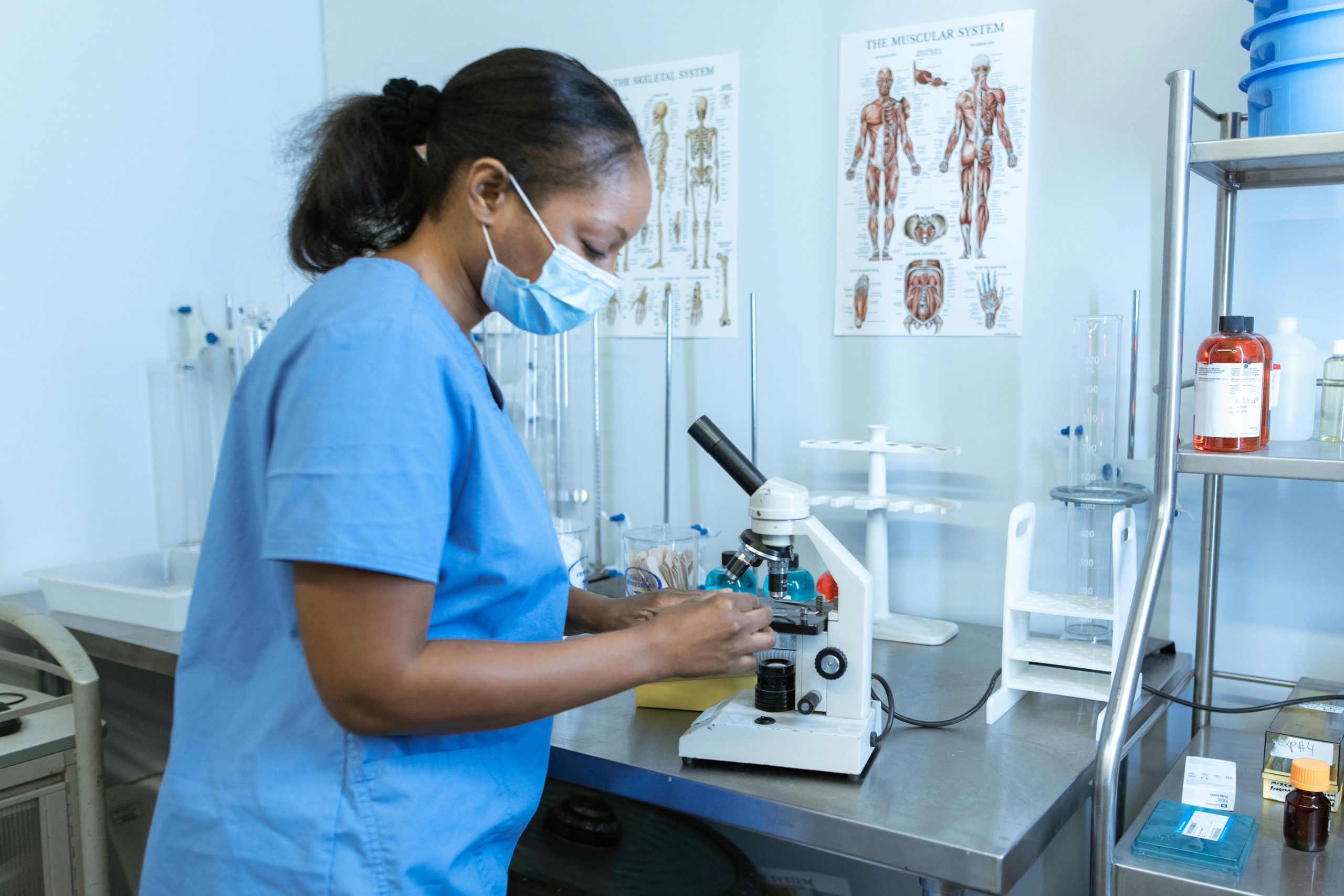
A budget-friendly lab setup requires careful planning to balance cost, quality, and scientific credibility. Setting up a laboratory can feel overwhelming, especially when budgets are limited and expectations are high. Equipment, consumables, compliance requirements, and safety systems all compete for funding. For many laboratories, particularly new research groups, startups, teaching labs, and small testing facilities, the challenge is clear: how do you build a reliable lab environment without overspending?
The good news is that a cost-conscious laboratory does not have to be a low-quality one. With thoughtful planning, careful purchasing decisions, and a focus on essential functionality, it is possible to create a lab that is both efficient and affordable.
A smart laboratory setup focuses on value rather than simply chasing the lowest price. The goal is to invest where it matters most while controlling costs where flexibility exists.
Why Budget Planning Matters in Laboratory Setup
A poorly planned lab setup can create problems that last for years. Equipment that breaks down frequently, unreliable reagents, or poorly organised workspaces can slow research, compromise results, and increase long-term costs.
Common consequences of poor planning include:
- Frequent equipment downtime
- Inconsistent experimental results
- Safety risks caused by inadequate equipment
- Higher replacement and maintenance costs
- Reduced productivity across the research team
Relatable example:
A lab purchases the cheapest available centrifuge to save money. Within months, vibration problems begin affecting sample stability and the instrument requires repeated repairs. The initial savings disappear quickly, and the lab must purchase a replacement.
Thoughtful budgeting helps laboratories avoid these situations by focusing on durability, reliability, and practicality.
1. Prioritise Essential Equipment First

The foundation of any laboratory is its core equipment. Instead of trying to purchase everything at once, laboratories should focus on the instruments that are essential for daily work.
Typical core equipment includes:
- Micropipettes and pipette tips
- Centrifuges
- Analytical balances
- Refrigerators and freezers
- Basic microscopes (where relevant)
- Vortex mixers and hot plates
- Biosafety cabinets or fume hoods when required
Why this matters:
Buying essential tools first allows laboratories to begin operating quickly while spreading additional purchases over time. It also prevents spending on equipment that may not be used frequently.
Relatable example:
A research group initially plans to buy specialised imaging equipment but later realises that their daily experiments rely far more heavily on reliable pipettes and centrifuges. Redirecting funds toward the tools used every day improves efficiency immediately.
2. Invest in Reliable Consumables
Consumables are often treated as minor purchases, but they have a direct impact on experimental quality.
Important consumables include:
- Microcentrifuge tubes
- Culture plates
- Reagent bottles
- Filter papers
- Laboratory wipes and cleaning materials
Low-quality consumables can cause contamination, leaks, or inaccurate measurements.
Relatable example:
A batch of poorly manufactured pipette tips introduces air gaps during liquid transfer. The error is subtle but affects every measurement in an experiment.
Choosing reliable consumables protects both results and time.
3. Buy Smart, Not Just Cheap
Price alone should never determine a purchasing decision. Instead, laboratories should consider the total value of an item.
Important factors include:
- Product durability
- Supplier reputation
- Availability of replacement parts
- Warranty and service support
- Compatibility with existing equipment
Why this matters:
A slightly more expensive instrument that lasts five years is often far more economical than a cheaper one that must be replaced after a year.
Relatable example:
A lab buys a low-cost incubator without local service support. When a temperature control fault occurs, the lab must ship the unit internationally for repair, causing weeks of downtime.
Choosing reputable suppliers helps prevent these disruptions.
4. Optimise Laboratory Layout and Workflow
An efficient lab layout can reduce wasted time, improve safety, and prevent unnecessary equipment purchases.
Good layout planning includes:
- Keeping frequently used tools within easy reach
- Separating clean and contaminated areas
- Creating dedicated workstations for different procedures
- Ensuring proper ventilation and safety access
Why this matters:
A well-designed workspace allows researchers to work faster and more safely without needing duplicate equipment.
Relatable example:
A poorly organised lab forces technicians to walk across the room repeatedly to access basic tools. Over time, small inefficiencies accumulate into hours of lost productivity.
Thoughtful organisation is one of the most cost-effective improvements a laboratory can make.
5. Maintain Equipment Properly
Maintenance is one of the most overlooked aspects of laboratory budgeting. Regular care dramatically extends the life of equipment.
Good maintenance practices include:
- Cleaning instruments after use
- Scheduling regular calibration
- Checking seals, filters, and moving parts
- Keeping maintenance logs
- Addressing small faults early
Why this matters:
Preventative maintenance costs far less than replacing damaged equipment.
Relatable example:
A centrifuge rotor is rarely inspected. Over time, small cracks develop due to repeated stress. A simple inspection could have identified the issue before the rotor failed.
Preventative care protects both budgets and safety.
6. Reduce Waste Through Better Inventory Management
Laboratories often lose money through expired reagents, duplicated orders, and poorly tracked consumables.
Smart inventory practices include:
- Maintaining a digital inventory list
- Tracking expiry dates
- Ordering supplies in practical quantities
- Standardising commonly used products
Why this matters:
Better inventory control prevents unnecessary purchases and reduces waste.
Relatable example:
A lab orders new reagents only to discover unopened stock in a back storage cabinet that expired weeks earlier.
Simple tracking systems can prevent these avoidable losses.
7. Build Strong Supplier Relationships
Reliable suppliers are more than just vendors. They can become valuable partners who help laboratories operate more efficiently.
A strong supplier relationship can provide:
- Competitive pricing
- Product guidance and recommendations
- Reliable stock availability
- Technical advice and support
Why this matters:
Working with experienced suppliers helps laboratories make better purchasing decisions and avoid costly mistakes.
Relatable example:
A supplier advises a lab to switch to a more durable microtube brand that reduces cracking during freezing. The change prevents repeated sample loss.
Trusted suppliers contribute to long-term operational success.
Building a Cost-Efficient Laboratory Culture
Budget-conscious labs often outperform larger labs because they develop disciplined processes and careful purchasing habits.
Successful labs encourage teams to:
- Plan experiments carefully
- Handle equipment responsibly
- report issues early
- minimise waste
- treat consumables as valuable resources
When teams take ownership of resources, laboratories become more efficient and sustainable.
Conclusion: Smart Labs Focus on Value, Not Just Price
Creating a budget-friendly laboratory does not mean sacrificing quality or safety. With careful planning, reliable suppliers, and disciplined workflows, laboratories can operate efficiently without excessive spending.
A well-managed laboratory is:
- Safer
- More productive
- More reliable
- Better prepared for growth and audits
Whether you are setting up a new research space or improving an existing lab, the key is to focus on value, durability, and operational efficiency.
For trusted laboratory supplies, equipment, and technical support, visit B&M Scientific.
For convenient online purchasing of laboratory consumables and equipment, explore the Lab Buddy online store.
A well-equipped laboratory does not need to be expensive. It simply needs to be planned well.