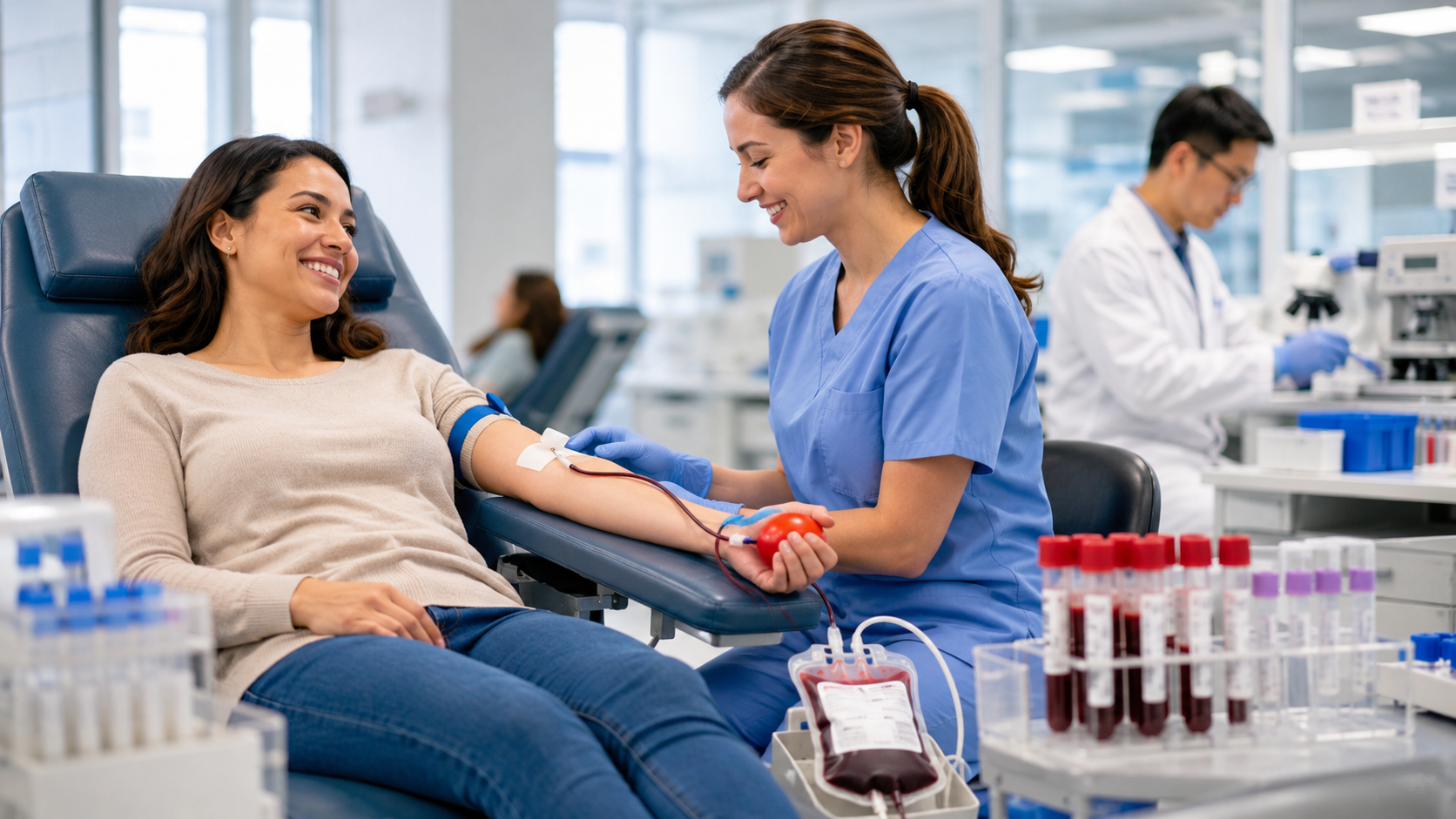
Every blood donation begins with one person making a generous decision.
That single act may support a patient undergoing surgery, a mother experiencing complications during childbirth, a person receiving cancer treatment or someone requiring urgent care after an accident.
On 14 June 2026, B&M Scientific joins healthcare organisations, laboratories, blood services and communities around the world in observing World Blood Donor Day.

The official theme for 2026 is:
One Drop of Humanity. Give Blood. Save Lives.
The theme reminds us that blood donation is more than a medical procedure. It is an expression of compassion, solidarity and shared responsibility.
It also provides an opportunity to recognise the scientists, laboratory professionals, nurses, healthcare workers and volunteers who help ensure that donated blood is collected, tested, processed, stored and distributed safely.
Why World Blood Donor Day Matters
World Blood Donor Day is observed annually to thank voluntary, unpaid blood donors and raise awareness about the continuing need for safe blood and blood products.
Blood cannot simply be manufactured when an emergency occurs. Healthcare systems depend on people who are willing and eligible to donate regularly.
Blood and blood products may be needed for:
- Emergency and trauma care
- Major surgical procedures
- Pregnancy and childbirth complications
- Severe anaemia
- Cancer treatment
- Blood disorders
- Organ transplantation
- Long-term medical care
A stable blood supply therefore depends on both donor participation and effective healthcare infrastructure.
Donors provide the life-saving resource, while laboratories and blood services help ensure that it is safe and suitable for clinical use.
The Journey of Donated Blood
After blood has been donated, it enters a carefully controlled process involving identification, testing, separation, storage and distribution.
Every stage must be managed accurately because errors can have serious consequences for both donors and recipients.
1. Donor Assessment
Before blood is collected, prospective donors usually complete a health questionnaire and undergo a basic assessment.
This helps blood services determine whether donation is safe for the donor and whether the donated blood is likely to be suitable for patient use.
Eligibility requirements may vary between countries and blood services. Donors should always follow the guidance provided by their recognised local blood donation organisation.
2. Sample Collection and Identification
Blood samples are collected alongside the donation for laboratory testing.
Correct identification is essential. Each sample and blood unit must remain traceable throughout the process to prevent mix-ups and protect patient safety.
Suitable blood collection systems, specimen tubes, labels and handling procedures help maintain this chain of identification.
3. Blood Group Testing
Laboratories determine the donor’s blood group, including the ABO and Rh blood types.
Accurate blood typing helps healthcare professionals select compatible blood for a patient. Compatibility testing is a critical part of reducing the risk of adverse transfusion reactions.
Laboratory personnel rely on validated testing procedures, appropriate reagents and dependable equipment to produce accurate results.
4. Screening for Transfusion-Transmissible Infections
Donated blood is screened according to applicable health regulations and blood service protocols.
Testing helps reduce the risk of infections being transmitted through blood transfusion. Laboratories must maintain strict quality control procedures and follow recognised standards throughout the screening process.
Reliable equipment, correct sample preparation and properly trained personnel are all essential components of this work.
5. Blood Component Preparation
Whole blood may be separated into components such as red blood cells, plasma and platelets.
This allows one donation to support different patients with different clinical needs. A patient may require only a particular blood component rather than whole blood.
Centrifugation, controlled storage and specialised processing procedures help blood services prepare these components safely.
6. Storage and Transportation
Blood components must be stored under carefully controlled conditions.
Temperature monitoring is particularly important because different components may require different storage environments. Any interruption in the required conditions can affect product quality and suitability.
Cold-chain equipment, temperature monitoring systems and documented quality procedures help maintain blood integrity during storage and transportation.
Why Laboratory Accuracy Is Essential
Blood services operate in an environment where precision matters at every stage.
Laboratory results help determine blood type, compatibility and whether a donation meets the necessary safety requirements.
An inaccurate measurement, incorrectly labelled sample or poorly maintained instrument may compromise the reliability of the process.
Laboratories therefore require:
- Consistent standard operating procedures
- Calibrated and properly maintained equipment
- Quality control materials
- Accurate specimen identification
- Suitable storage systems
- Reliable laboratory consumables
- Trained and competent personnel
- Clear documentation and traceability
Quality is not a single test performed at the end of the process. It must be woven through the entire journey of every donation.
Laboratory Equipment Used in Blood-Related Testing
The specific equipment used will depend on the type of laboratory, its testing scope and local regulatory requirements.
Common laboratory products may include:
- Centrifuges
- Micropipettes and pipette tips
- Specimen tubes
- Tube racks
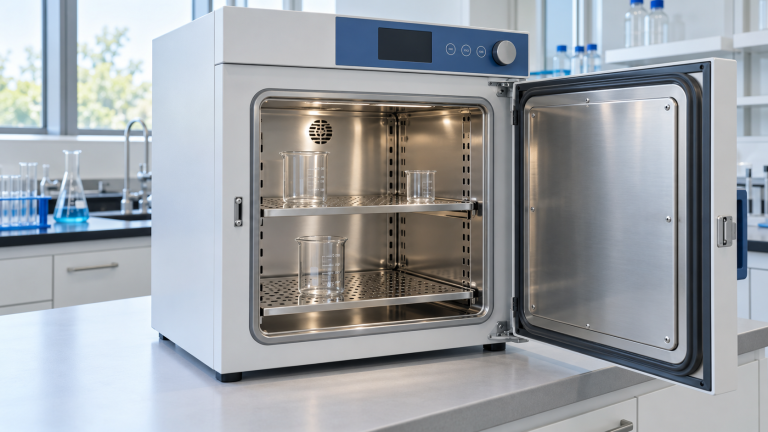
- Refrigerators and freezers
- Temperature monitoring devices
- Laboratory analysers
- Timers and mixers
- Personal protective equipment
- Biohazard waste containers
- General laboratory consumables
Equipment selection should be based on the laboratory’s validated methods and operational needs.
Regular maintenance, calibration and staff training are just as important as choosing the correct equipment.
Protecting Laboratory Professionals
Blood and human specimens must be handled with appropriate precautions.
Laboratory teams should use suitable personal protective equipment and follow established biosafety, waste disposal and decontamination procedures.
Workspaces should be organised to reduce the risk of contamination, spills and specimen identification errors.
A strong safety culture protects laboratory personnel while also improving the reliability of testing.
How Organisations Can Support World Blood Donor Day
Businesses, universities, research organisations and community groups can help strengthen blood donation awareness.
They can:
- Share information from recognised blood services
- Encourage eligible employees to consider donating
- Host awareness sessions
- Support local blood donation campaigns
- Allow employees reasonable time to attend donation appointments
- Thank regular voluntary donors
- Avoid sharing unverified medical information
Organisations considering a workplace blood drive should work directly with a recognised blood service that can provide qualified personnel, appropriate equipment and safe operating procedures.
A Drop That Connects Us
World Blood Donor Day celebrates the humanity behind every donation.
It recognises the donor who gives without knowing who will receive the blood. It also honours the healthcare and laboratory professionals whose careful work ensures that the donation can be used safely.
At B&M Scientific, we recognise the importance of dependable laboratory equipment, quality consumables and accurate scientific processes in supporting healthcare and diagnostic environments.
On World Blood Donor Day 2026, we thank voluntary blood donors and everyone who works behind the scenes to transform one generous act into a lifeline.
Give blood