One of the most common challenges new researchers face is not a lack of knowledge, but a lack of preparedness. Missing consumables, unfamiliar equipment, disorganised workspaces, or incorrect documentation can quickly turn a promising experiment into a frustrating setback.
This guide outlines the essential lab supplies every new researcher should have access to, why they matter, and how they support safe, efficient, and credible research from day one.
Why the Right Lab Supplies Matter More Than You Think
In theory, an experiment is designed on paper. In reality, it lives or dies by execution.
A missing pipette tip, expired reagent, unlabelled sample, or malfunctioning centrifuge can:
- Compromise data quality
- Delay timelines
- Create safety risks
- Increase costs through rework
- Undermine confidence, especially for early-career researchers
For example, imagine preparing samples for a week-long assay, only to discover mid-process that your buffer stock is contaminated or expired. The result is lost time, wasted samples, and the uncomfortable task of explaining delays.
Having the right supplies in place is not about excess. It is about enabling consistency, repeatability, and confidence.
1. Personal Protective Equipment (PPE): Your First Line of Defence
Before touching a single reagent or instrument, every researcher must be properly equipped for safety.
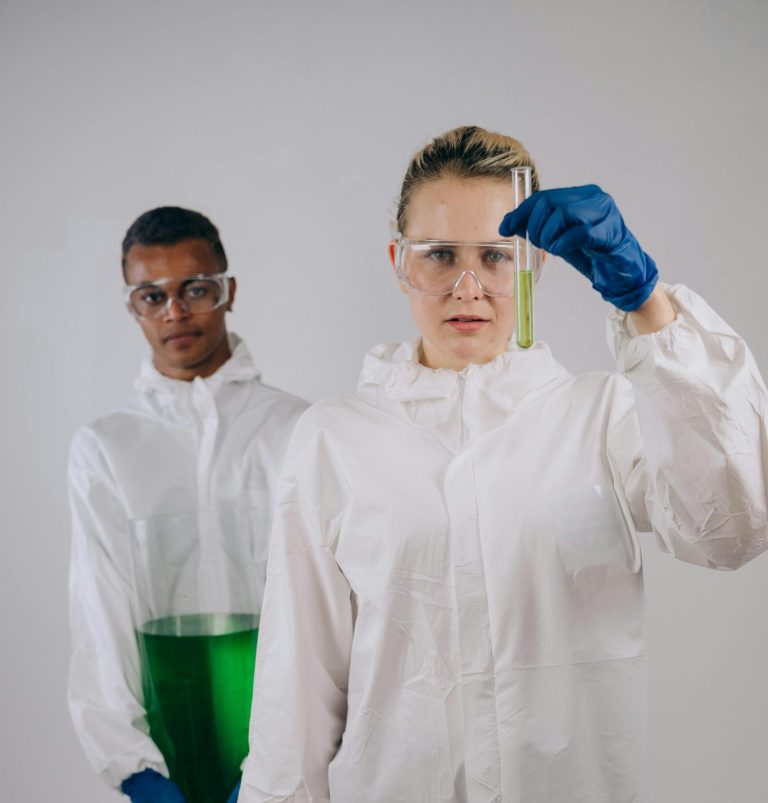
Essential PPE Includes:
- Laboratory coats (correct size and material)
- Nitrile or latex gloves (various sizes)
- Safety goggles or face shields
- Closed-toe laboratory shoes
- Masks or respirators (where required)
Why This Matters:
New researchers often underestimate how quickly exposure can occur. A splash during pipetting, aerosol formation while vortexing, or broken glassware can cause injury within seconds.
Relatable example:
A new researcher handling acids without splash goggles may feel “careful enough” until a single unexpected bubble causes a droplet to arc upward. PPE turns a near-miss into a non-event.
Tip: Always keep spare PPE accessible for visitors, supervisors, and audits.
2. Core Consumables: The Unsung Heroes of Daily Lab Work

Consumables are the most frequently used and most frequently overlooked supplies in any laboratory.
Must-Have Consumables:
- Pipette tips (filtered and non-filtered)
- Microcentrifuge tubes
- Falcon tubes
- Petri dishes
- Glass slides and coverslips
- Weighing boats
- Filter papers
- Disposable syringes
Why This Matters:
A new researcher often plans experiments without understanding real-world usage rates. Running out of pipette tips during a critical experiment is a rite of passage, but it is one best avoided.
Relatable example:
You finally get uninterrupted instrument time after weeks of scheduling. Ten minutes in, you realise the filtered tips are finished and only non-filtered tips remain, compromising sterility.
Good labs forecast consumable usage. Great labs stock buffers.
3. Basic Laboratory Instruments Every Researcher Relies On
While large equipment may be shared, certain tools should always be available and functional.
Essential Instruments:
- Micropipettes (calibrated and labelled)
- Analytical balance
- pH meter
- Vortex mixer
- Centrifuge
- Hot plate or water bath
- Timer
Why This Matters:
Accuracy and repeatability define good science. Poorly calibrated pipettes or unmaintained balances introduce errors long before analysis begins.
Relatable example:
Two researchers run the same protocol and get conflicting results. The root cause? One pipette had not been calibrated in over a year.
Tip: New researchers should be trained to check calibration stickers and report anomalies immediately.
4. Chemicals and Reagents: Quality In, Quality Out
No experiment is better than the materials used to perform it.
Key Considerations:
- Analytical-grade or research-grade reagents
- Properly labelled solutions
- Clear expiry tracking
- Safe chemical storage cabinets
- Updated MSDS documentation
Why This Matters:
Using expired or contaminated reagents can subtly skew results, leading to incorrect conclusions rather than obvious failure.
Relatable example:
An assay produces “almost right” results for weeks. Eventually, the cause is traced back to an enzyme stored incorrectly during a power outage.
New researchers must learn that chemical integrity is data integrity.
5. Glassware and Plasticware: The Tools That Touch Everything
Often reused and frequently mishandled, glassware and plasticware deserve attention.
Must-Have Items:
- Beakers and flasks (various volumes)
- Graduated cylinders
- Test tubes and racks
- Wash bottles
- Storage bottles
Why This Matters:
Scratched, stained, or improperly cleaned glassware can retain residues that interfere with experiments.
Relatable example:
A colourimetric assay shows unexpected background absorbance. The cause? Residual detergent film left inside reused cuvettes.
Proper cleaning protocols and visual inspections are essential habits for new researchers.
6. Labelling and Organisation Supplies: Preventing Silent Errors
Organisation is not cosmetic. It is operational.
Essential Items:
- Waterproof labels
- Permanent laboratory markers
- Barcode systems (where applicable)
- Sample racks
- Storage bins
- Colour-coded tags
Why This Matters:
Unlabelled or poorly labelled samples are one of the most common causes of data loss.
Relatable example:
Two identical tubes sit in the fridge. One contains a control, the other a treated sample. Without clear labels, weeks of work become unusable.
A good label answers four questions: what, who, when, and how.
7. Documentation and Record-Keeping Tools
Science does not happen only at the bench. It lives in records.
Must-Have Documentation Supplies:
- Laboratory notebooks (bound or electronic)
- SOP folders
- Logbooks for equipment
- Audit checklists
- Data storage systems
Why This Matters:
If an experiment cannot be traced, repeated, or verified, it effectively does not exist.
Relatable example:
Months later, a supervisor asks why a result differed from expected values. Without notes on reagent batch numbers or environmental conditions, answers become guesses.
Good documentation protects both the researcher and the institution.
8. Cleaning and Waste Management Supplies
A clean lab is a safe and functional lab.
Essentials Include:
- Laboratory detergents
- Disinfectants
- Autoclave bags
- Sharps containers
- Chemical waste containers
- Spill kits
Why This Matters:
New researchers often focus on experiments and forget end-of-day cleanup. This leads to clutter, contamination, and safety risks.
Relatable example:
A spill left unattended overnight leads to corrosion on a benchtop and a safety incident the next morning.
Cleaning is not an afterthought. It is part of the protocol.
9. Training Aids and Reference Materials
Knowledge gaps are natural for new researchers. Support tools bridge them.
Helpful Supplies:
- Safety manuals
- Quick-reference SOP cards
- Equipment user guides
- Emergency response posters
- Lean or 5S visual guides
Why This Matters:
When under pressure, researchers rely on what is visible and accessible.
Relatable example:
In an emergency, a clearly displayed spill response guide can prevent panic and injury.
Visual aids reduce dependence on memory and reinforce good practice.
10. Planning and Procurement Support
Supplies do not manage themselves.
What New Researchers Need:
- Clear procurement procedures
- Approved supplier lists
- Reorder thresholds
- Lead-time awareness
- Supplier technical support
Why This Matters:
Delayed orders can stall entire research projects.
Relatable example:
A reagent ordered late before a public holiday delays an experiment by three weeks.
Partnering with reliable suppliers ensures continuity and peace of mind.
Building Good Habits Early
For new researchers, lab supplies are not just tools. They shape habits, workflows, and professional identity.
Researchers who learn to:
- Check stock levels
- Maintain equipment
- Document accurately
- Work safely
- Organise consistently
Develop confidence and credibility far faster than those who rely on improvisation.
Conclusion
Starting research without the right lab supplies is like building a house without tools. You may eventually succeed, but the process will be slower, riskier, and far more frustrating than it needs to be.
By ensuring access to essential PPE, consumables, equipment, documentation, and organisational tools, laboratories empower new researchers to focus on what matters most: producing reliable, meaningful science.
If you are equipping a new researcher or setting up a laboratory for the year ahead, B&M Scientific, through Lab Buddy, offers reliable supply solutions, technical support, and expert guidance to ensure your lab is fully prepared from day one.
A well-supplied lab is not a luxury. It is the foundation of good science.